Hidden Water Leak in Walls: 9 Clear Signs
- Curt Eddy
- Mar 6
- 6 min read

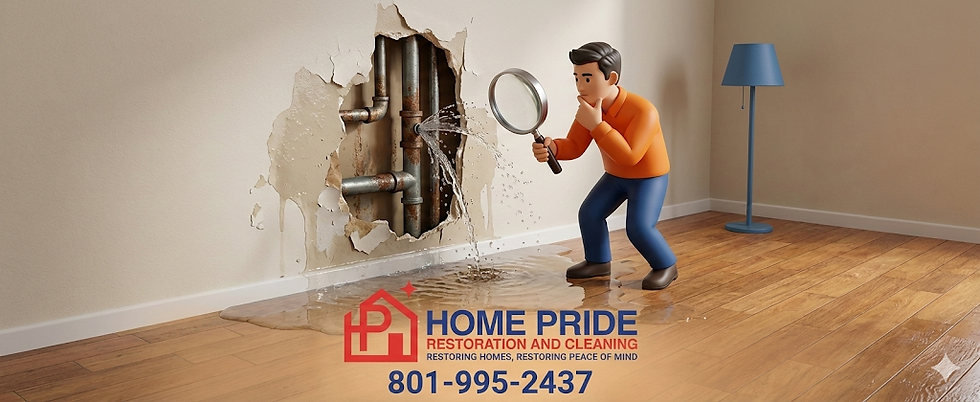
Learn the best signs of hidden water leak in walls, what they mean, and when to call for fast water mitigation before mold and damage spread.
You usually don’t discover a wall leak when it’s “small.” You discover it when the paint bubbles, the baseboards swell, or the room starts smelling like a wet towel that never dries. The frustrating part is that the water can run inside a wall for days or weeks before it finally shows itself.
If you’re trying to catch a problem early, focus less on one dramatic clue and more on a pattern of small, stubborn changes. Below are the best signs of hidden water leak in walls, what they typically mean in real homes, and what to do next if you’re in that uneasy in-between stage: you suspect something, but you can’t see it.
Why wall leaks get expensive fast
A hidden leak isn’t just “a little water.” It’s water trapped where air can’t circulate and surfaces can’t dry. That’s when drywall turns soft, insulation stays wet, wood framing swells, and microbial growth becomes a real possibility.
It also depends on the source. A pinhole in a pressurized supply line can spray continuously and saturate materials quickly. A drain or shower leak might only show up during use, but can run for months and rot out framing in a slow, steady way. Either way, the clock starts the moment water gets into the wall cavity.
1) A musty, earthy smell that won’t go away
If a room smells damp even after you clean, ventilate, or run the HVAC, take that seriously. People often describe it as “basement smell” even in an upstairs bedroom, or a moldy odor that comes and goes.
Odor alone doesn’t confirm a leak - sometimes it’s a damp crawl space or an old carpet pad - but a persistent musty smell in one specific area is one of the earliest clues that moisture is trapped in building materials.
2) Paint bubbling, peeling, or separating from the wall
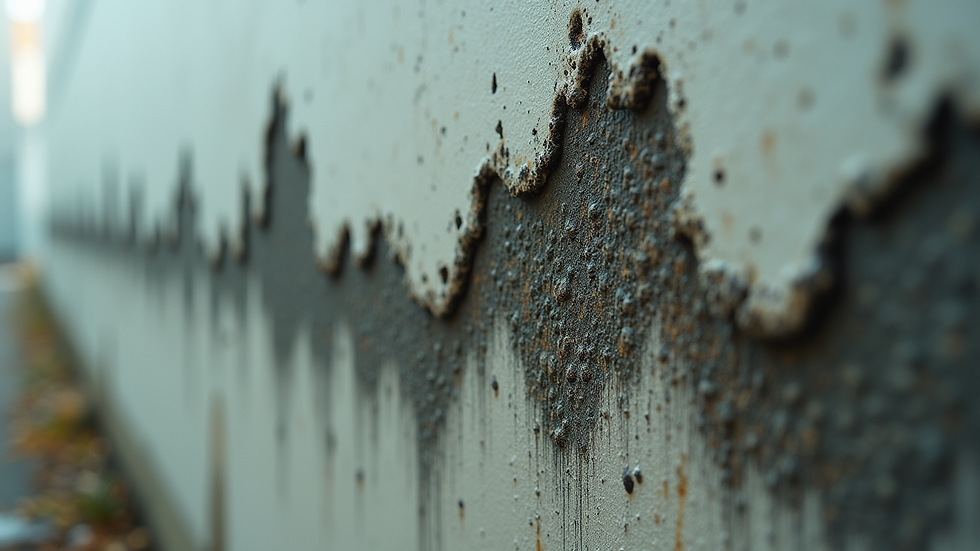
Paint and moisture don’t mix. When water gets behind paint, you’ll often see bubbling, blistering, peeling edges, or a texture change that looks like ripples.
Here’s the key detail: humidity problems usually affect larger areas (like an entire bathroom) while a wall leak tends to create a localized “hot spot” that slowly spreads outward. If you can point to a specific patch that keeps getting worse, that’s more consistent with a leak.
3) Drywall that feels soft, spongy, or crumbly
Drywall is basically compressed gypsum between paper layers. Once it absorbs water, it loses strength. Press lightly with your fingertips (don’t punch a hole) and notice if the surface feels softer than surrounding areas.
Corners near showers, walls behind toilets, and areas under windows can all soften for different reasons, so context matters. If softness lines up with plumbing locations or appears after a freeze, a pipe issue becomes much more likely.
4) Brown, yellow, or copper-colored staining
Stains are one of the most obvious “something is happening behind this wall” indicators. They can show as faint yellow rings, darker brown patches, or streaks that look like tea spilled inside the paint.
Staining often shows up after the wall has already been wet for a while. If you see a ring that grows over time, that’s not cosmetic - that’s active moisture movement.
5) Baseboards swelling, separating, or pulling paint at the bottom
Water travels downward with gravity, so baseboards are often the first place you notice a hidden leak. Watch for baseboards that start to bow, expand, or pull away from the wall. The caulk line may crack, and paint can split along the top edge.
If you have laminate or engineered wood flooring nearby, pay extra attention. Those materials can cup, crown, or swell when moisture wicks from a wet wall into the floor system.
6) Warped walls, bubbling texture, or nail pops
As drywall gets wet and then dries unevenly, it can warp. You might notice a subtle bulge, a wavy look along a seam, or nail pops where fasteners push forward.
Not every nail pop means a leak - homes in Utah do shift with seasons and settling - but when nail pops appear with staining, odor, or soft drywall, it’s a stronger signal. Newer construction in fast-growing areas like Lehi can also reveal small plumbing issues after settling, so don’t assume “new” means “immune.”
7) A sudden jump in your water bill (or meter movement)
If your water usage hasn’t changed but your bill did, treat it as data. One simple check is the water meter test: turn off all water in the home (no ice makers, no sprinklers, no toilets running), then see if the meter still moves.
A moving meter doesn’t tell you where the leak is, but it tells you it’s real. If you pair that with wall symptoms - even mild ones - you’re likely dealing with a hidden plumbing leak rather than a one-time spill.
8) Hot or cold spots on a wall
A hot water line leak can warm the wall surface. A cold water leak can sometimes create a cooler patch, and in some cases, condensation may form where it normally wouldn’t. Walk the area with your hand and compare to nearby wall sections.
This is one of those “it depends” signs. HVAC ducting, exterior temperature changes, and sun exposure can also create temperature differences. But when a temperature anomaly lines up with other warning signs, it’s worth investigating quickly.
9) Mold growth in a weird, specific place
Mold needs moisture. If you see spotting or fuzzy growth on a wall that isn’t typically humid, don’t just wipe it and move on. Mold on a bedroom wall, hallway, or living room exterior wall often suggests hidden moisture.
Bathrooms are trickier. Mold there can come from poor ventilation rather than a leak. The giveaway is location: mold concentrated on one wall section, especially near plumbing runs or below an upstairs bathroom, leans more toward a leak than general humidity.
The most common “leak zones” inside walls
You don’t have to cut holes everywhere. If you’re narrowing down where to look first, start with the areas that statistically cause the most trouble.
Behind showers and tub surrounds
Grout and tile are not waterproof on their own. Failed caulk lines, cracked grout, or a compromised shower pan can allow water to get behind the tile and into the wall cavity.
Under upstairs bathrooms and laundry rooms
If you see ceiling staining below a bathroom, the water may be traveling inside framing and showing up somewhere else. A wall leak can appear several feet away from the actual source.
Around windows (especially after storms)
Not all wall moisture is plumbing. Wind-driven rain, failed flashing, and damaged seals can send water into walls. The signs look similar, but the fix is different - which is why inspection matters.
Kitchens: sink, dishwasher, refrigerator line
Slow leaks under a sink can wick up into drywall behind the cabinet. A small refrigerator supply line leak can also soak flooring and wall plates without obvious puddling.
What to do if you suspect a hidden leak
First, protect the home and your health. If there’s any chance the water is from a drain backup or sewage, avoid contact and keep kids and pets away. If it’s clean water and you can safely do so, shut off the water supply to stop ongoing damage.
Next, document what you’re seeing. Take clear photos of stains, bubbling paint, damaged baseboards, and any affected flooring. If you’re dealing with insurance later, early documentation can make the claim process smoother.
Finally, don’t rely on fans alone when the moisture is inside a wall. Surface drying can make the room feel better while the cavity stays wet. Proper moisture detection tools - like thermal imaging, non-invasive moisture meters, and hygrometers - help confirm what’s wet and how far it spread. That’s what determines whether drying is enough or whether materials need to be removed to prevent ongoing damage.
When it’s time to call a professional (and why speed matters)
Call for help when you see staining that’s expanding, drywall softness, recurring odor, visible mold, or a water meter that won’t stop moving. Those are signs the problem is active or has been active long enough to soak building materials.
There’s also a practical reason to move fast: the longer water sits, the bigger the drying footprint becomes. What might have been a targeted drywall repair can turn into a multi-room drying project if moisture migrates into insulation, framing, or adjacent flooring.
If you’re on the Wasatch Front and need an urgent inspection and mitigation plan, Home Pride Restoration and Cleaning LLC provides 24/7 emergency response with a 1-2 hour arrival window, IICRC-certified technicians, and coordination with all insurance companies. You can start here: https://Homepriderestorationandcleaning.com
A hidden wall leak is stressful because it feels invisible - until it isn’t. Trust the small signs when they cluster, act quickly when they escalate, and choose the path that gets your home dry and back to normal with the least disruption.


Comments