How Long Does Water Damage Cleanup Take?
- Curt Eddy
- Apr 3
- 6 min read

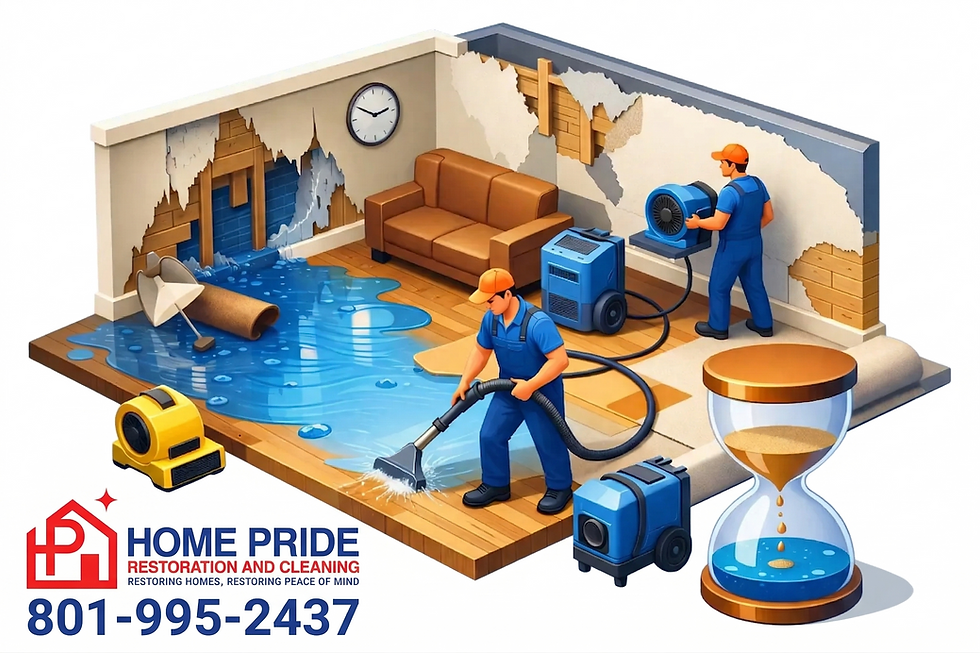
A flooded bathroom floor at 10 p.m. feels like it should be a one-night problem. In reality, homeowners asking how long does water damage cleanup take are usually dealing with two separate timelines - emergency mitigation and full restoration. The water may be extracted fast, but drying, cleaning, and repairs often take longer than people expect.
That does not mean your house will stay in chaos for weeks. It means the right team moves in stages, with the first goal being to stop damage from spreading. Once the source is controlled, the cleanup clock depends on how much water is involved, what materials got wet, and whether hidden moisture has already reached drywall, flooring, insulation, or framing.
How long does water damage cleanup take in most homes?
For a straightforward loss, the emergency portion can begin within hours and the visible water removal may be finished the same day. Professional drying commonly takes 3 to 5 days. If drywall, flooring, cabinets, or ceilings need to be removed and rebuilt, the full project can stretch to 1 to 3 weeks, and sometimes longer for major losses.
That range is wide because not all water damage is equal. A clean-water supply line leak in one room is very different from a sewage backup, a storm intrusion, or a ceiling collapse from a long-term leak. The cleanup timeline changes based on contamination, saturation, and how quickly the problem was discovered.
The real timeline: what happens first and what takes longer
Emergency response and inspection
The first step is immediate damage control. A restoration crew identifies the source, checks safety risks, and documents the affected areas. If the loss is active, they focus on stopping the water first. This part can happen very quickly, especially when you call a 24/7 emergency company that is built for fast dispatch.
In many cases, this initial visit includes moisture readings, an inspection behind walls or under flooring where needed, and a clear mitigation plan. Homeowners often expect cleanup to start and finish in one visit, but proper restoration starts with knowing exactly what is wet, not just what looks wet.
Water extraction
Standing water removal is usually the fastest part. With commercial extractors, crews can remove a large amount of water in hours, not days. That said, extraction time increases when water has spread under hardwood, carpet pad, cabinets, or multiple rooms.
A small laundry room overflow may be extracted in a short visit. A basement flood or multi-room pipe burst takes longer because water travels farther than most people think. It can wick into drywall, soak subfloors, and settle into lower areas that are not obvious at first glance.
Drying and dehumidification
This is where the schedule usually stretches. Even after surfaces look dry, moisture can remain inside materials. Air movers and dehumidifiers are set up to pull that trapped moisture out safely and prevent secondary damage like swelling, warping, or mold growth.
For many homes, drying takes 3 to 5 days. Some jobs finish sooner. Others take 7 days or more if dense materials, hardwood flooring, insulation, or framing have absorbed water. Daily or near-daily monitoring matters here because equipment often needs to be adjusted as readings improve.
Cleaning, sanitation, and odor control
If the water came from a clean source, sanitation may be limited to treating affected surfaces and making sure materials are dry and safe. If gray water or black water is involved, cleaning becomes more intensive. Sewage backups, storm runoff, and long-standing water all require stronger containment, removal protocols, and disinfection.
This can add meaningful time to the project. Some porous materials cannot be safely saved after contamination and need to be removed. That affects both cleanup duration and repair scope.
Repairs and reconstruction
Cleanup and repairs are related, but they are not always the same phase. Mitigation focuses on stopping damage, drying the structure, and preventing mold. Reconstruction comes after that and may include drywall replacement, painting, baseboards, flooring, ceiling repair, or cabinet work.
If materials were minimally affected, repairs may be light and quick. If sections of the home had to be opened for drying or contamination removal, reconstruction can take days or weeks depending on labor availability, material selection, and insurance approvals.
What affects how long water damage cleanup takes?
The biggest factor is how long the water sat before anyone found it. A pipe break discovered right away is often much easier to handle than a slow leak hidden behind a wall for several days. Time allows water to spread, soak deeper, and create more demolition and drying work.
The source of the water matters too. Clean water from a supply line is generally simpler to address than water from a dishwasher backup, roof leak with dirty intrusion, or sewage event. Higher contamination means stricter removal and cleaning procedures.
The materials in the home also change the timeline. Tile may dry faster than carpet pad. Hardwood can trap moisture and become difficult to save. Drywall, insulation, and particleboard cabinetry absorb water quickly and may deteriorate fast. Newer homes in fast-growth areas like Lehi sometimes experience plumbing issues or settling-related leaks, and even when the home looks modern, the affected materials still follow the same drying rules.
Weather and indoor conditions also play a part. In winter, especially in areas with frozen pipe risks like Park City or other cold-weather communities, water losses can be extensive by the time they are discovered. Vacant homes often have a longer exposure window, which almost always means a longer cleanup.
Why cleanup should not be rushed
Homeowners naturally want life back to normal as fast as possible. That urgency is valid. But rushing the drying phase is one of the most expensive mistakes after a water loss.
If flooring is closed back up too early or walls are repaired before moisture levels are verified, hidden dampness can lead to odor, swelling, staining, and mold. A shorter job on paper can become a much larger project later. The better approach is controlled speed - fast response, aggressive drying, and documented moisture checks before repairs move forward.
That is why certified restoration companies use moisture meters, thermal imaging where appropriate, containment methods, and commercial drying equipment rather than relying on fans from the garage. The goal is not just to make the room look dry. The goal is to return the structure to a dry, safe condition.
Insurance can affect the timeline too
Another reason homeowners ask how long does water damage cleanup take is that they are really asking when insurance will let everything move forward. In many cases, emergency mitigation starts right away because waiting causes more damage. But approvals for certain repairs, material replacements, or larger reconstruction scopes may add time.
Good documentation helps. Photos, moisture readings, itemized notes, and a clear scope make it easier to support the claim. Working with a company that handles insurance communication can reduce delays and keep the project from stalling while you are trying to manage work, family, and a disrupted home.
When you should call right away
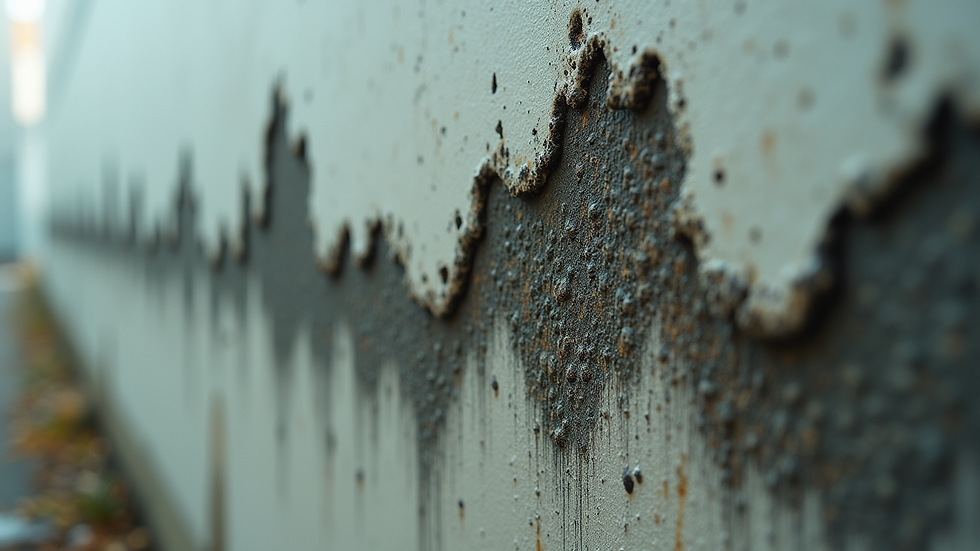
If you see bubbling paint, stained ceilings, warped baseboards, wet carpet, musty odor, or water actively entering the home, the clock is already running. Waiting until morning or until the weekend passes can turn a manageable drying job into a demolition job.
The same goes for hidden leaks. If your water bill spikes, a room smells damp, or a floor feels soft, it is worth having it inspected before the damage spreads. Fast action usually shortens the cleanup timeline and lowers the repair cost.
For homeowners on the Wasatch Front, response time matters because every extra hour can mean more moisture migration into walls, subfloors, and adjacent rooms. Home Pride Restoration and Cleaning is built around that reality, with 24/7 emergency service, IICRC-certified technicians, and a 1 to 2 hour response goal designed to protect your home before the damage gets worse.
A realistic answer homeowners can trust
So, how long does water damage cleanup take? In many homes, extraction starts immediately, drying takes several days, and full repairs may take anywhere from a few days to a few weeks. The honest answer is not one number. It depends on how far the water traveled, how contaminated it is, what materials were affected, and how quickly the response began.
If you are dealing with water in your home right now, the best next step is simple - get it inspected immediately, stop the spread, and let moisture testing guide the timeline. A good restoration plan does more than dry the obvious mess. It protects the parts of your home you cannot see yet.


Comments