How Mold Affects Health and Prevention Tips: Mold Health Risks Tips

Mold is more than just an unsightly nuisance in your home or business. It can seriously affect your health and well-being. When water damage strikes, mold can quickly take hold, spreading spores that impact the air you breathe. Understanding how mold affects health and learning prevention tips can help you protect your space and your loved ones. I want to share what I’ve learned about mold health risks tips and how you can keep your environment safe and mold-free.
Understanding Mold Health Risks Tips
Mold is a type of fungus that thrives in damp, warm environments. When mold spores become airborne, they can enter your respiratory system and cause a range of health problems. The risks vary depending on the type of mold, the amount of exposure, and your personal sensitivity.
Common health issues linked to mold exposure include:
Allergic reactions: Sneezing, runny nose, red eyes, and skin rash.
Asthma attacks: Mold can trigger or worsen asthma symptoms.
Respiratory infections: Prolonged exposure may lead to infections, especially in people with weakened immune systems.
Irritation: Mold spores can irritate your eyes, skin, nose, throat, and lungs.
People with allergies, asthma, or compromised immune systems are especially vulnerable. Children and the elderly also face higher risks. Even if you don’t have a known sensitivity, long-term exposure to mold can still affect your health.
How Mold Develops After Water Damage
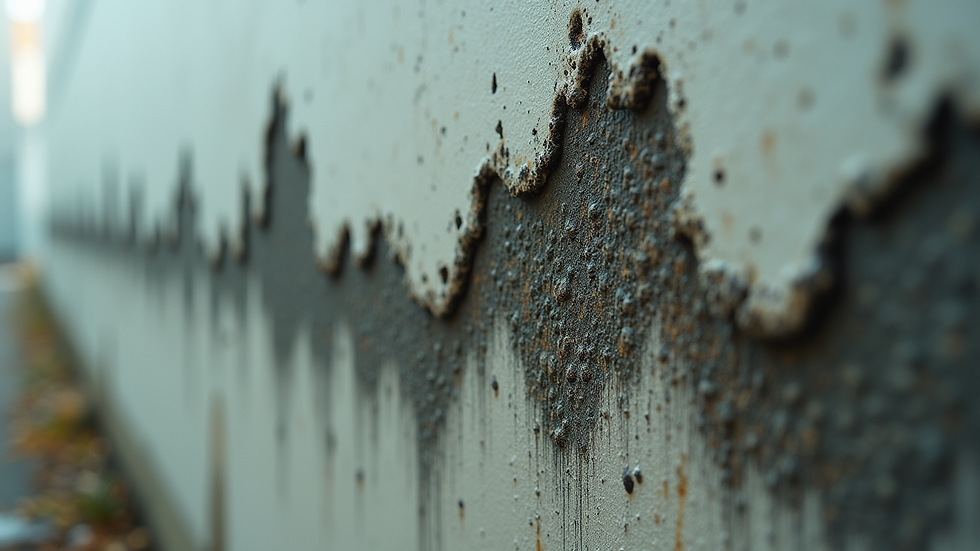
Mold loves moisture. When water damage occurs—whether from flooding, leaks, or high humidity—mold can start growing within 24 to 48 hours. It feeds on organic materials like wood, drywall, and carpet fibers. If left unchecked, mold colonies expand rapidly, releasing spores into the air.
Here’s how mold typically develops after water damage:
Water intrusion: A pipe bursts, roof leaks, or flooding happens.
Moisture retention: Water soaks into building materials.
Mold spores settle: Spores land on wet surfaces.
Growth begins: Mold starts to grow and multiply.
Spore release: Mold releases spores that spread through the air.
The key to preventing mold is to act fast. Drying out the affected area within 24 to 48 hours is critical. The longer moisture remains, the greater the chance mold will take hold.
Identifying Mold in Your Home or Business
Spotting mold early can save you from bigger problems down the road. Mold often appears as black, green, or white fuzzy patches on walls, ceilings, or floors. It may also have a musty, earthy smell that lingers even after cleaning.
Look for these signs:
Visible mold growth on surfaces.
Persistent musty odors.
Water stains or discoloration on walls or ceilings.
Peeling or bubbling paint or wallpaper.
Increased allergy or respiratory symptoms when inside.
If you suspect mold but can’t see it, consider hiring a professional to inspect hidden areas like behind walls or under flooring. Mold can hide in places you don’t expect, especially after water damage.

Practical Mold Prevention Tips You Can Use Today
Preventing mold starts with controlling moisture. Here are some practical tips to keep mold at bay:
Fix leaks immediately: Check pipes, roofs, and windows regularly.
Dry wet areas quickly: Use fans, dehumidifiers, or open windows.
Maintain indoor humidity below 60%: Use a hygrometer to monitor.
Ventilate bathrooms and kitchens: Use exhaust fans or open windows.
Clean and repair gutters: Prevent water from pooling near your foundation.
Use mold-resistant products: Consider mold-resistant drywall or paint.
Store items off the floor: Avoid placing cardboard or fabric directly on damp floors.
Inspect your HVAC system: Change filters regularly and clean ducts.
If you experience water damage, act fast. Remove wet materials and dry the area thoroughly. The sooner you respond, the less chance mold has to grow.
When to Call in the Experts
Sometimes, mold problems go beyond what you can handle alone. If you notice extensive mold growth, persistent odors, or health symptoms that don’t improve, it’s time to call professionals. Mold remediation experts have the tools and knowledge to safely remove mold and prevent it from returning.
Professional services include:
Mold inspection and testing.
Containment and removal of mold colonies.
Cleaning and sanitizing affected areas.
Repairing water damage sources.
Providing advice on preventing future mold growth.
For those facing water damage emergencies, reliable and prompt service is essential. That’s why I recommend turning to trusted experts who understand the urgency and can restore your space quickly. You can find helpful resources and tips on the home pride blog.
Staying Safe and Healthy in a Mold-Free Environment
Living or working in a mold-free environment means better air quality and fewer health risks. By staying vigilant and following prevention tips, you can protect your property and your health. Remember:
Keep your space dry and well-ventilated.
Address water damage immediately.
Monitor for signs of mold regularly.
Don’t ignore persistent health symptoms.
Taking these steps helps you maintain a safe, comfortable environment. Mold may be common, but it doesn’t have to be a problem in your home or business.
By understanding how mold affects health and using these prevention tips, you can take control of your environment. Mold health risks tips are not just about avoiding damage—they’re about protecting your well-being. Stay proactive, stay informed, and keep your space mold-free.


Comments