24/7 Water Damage Restoration: What Happens Next
- Curt Eddy
- Feb 12
- 6 min read

That sound at 2:13 a.m. - water running when nobody is using a sink - flips your brain straight into damage-control mode. Or it is a ceiling stain that suddenly turns into a steady drip right over the couch. Either way, the first few hours decide how much of your home is saved, how long you are displaced, and whether mold becomes the second emergency.
24/7 water damage restoration exists for one reason: water does not wait until business hours. The right team shows up fast, stops the source, pulls out water you cannot see, and dries your home the correct way so you do not pay for the same problem twice.
When 24/7 water damage restoration is truly urgent
Some water events look small and still cause major structural and health problems. A wet carpet can hide soaked pad, wet tack strip, and moisture that wicks into drywall. A slow leak can saturate a ceiling cavity and drop insulation onto electrical fixtures.
You should treat it as an after-hours emergency if any of the following are true: the water is actively spreading, it is near electrical panels or outlets, it is coming from an unknown source, or it involves sewage or dirty water. It also becomes urgent if the water has been present for more than a few hours. The longer materials stay wet, the more likely swelling, warping, odor, and microbial growth become.
It depends on the material, but drywall, insulation, and subflooring can start breaking down quickly. In a busy home with closed windows and normal indoor temps, drying is not automatic - moisture gets trapped.
What to do immediately while you wait for help
If you can do it safely, shut off the water at the nearest valve or the main. If the source is a water heater, appliance, or supply line, stopping the flow is the fastest way to limit the footprint.
If water is near outlets, lights, or a panel, avoid the area and turn off power to the affected rooms if you can do it without stepping in water. Do not assume "it is only a little" - electricity and wet flooring do not mix.
After the flow is stopped, move what you can. Pick up rugs, lift curtains, and relocate small furniture, but do not start tearing out drywall or insulation unless a professional tells you to. DIY demolition can spread contamination, damage vapor barriers, and complicate insurance documentation.
Take a few clear photos and a short video. Capture the source (if visible), the affected rooms, and close-ups of materials. This helps later when everyone is trying to remember how far the water went.
What "restoration" really means (and what it is not)
A lot of homeowners think restoration is basically "suck up the water and set a fan." That is a partial step, and it can backfire if it leaves moisture inside walls, under flooring, or in cabinets.
Professional 24/7 water damage restoration is a controlled process: extraction, inspection, drying, dehumidification, monitoring, and targeted repair. The goal is not just to look dry. The goal is to reach safe moisture levels in the structure so mold does not get a head start and materials do not keep degrading.
Also, restoration is not always the same as a remodel. If a floor is already weak or a ceiling has collapsed, you may need repairs after mitigation. A good restoration team can handle the water side immediately, then coordinate the repairs without leaving you to chase multiple contractors.
The first onsite visit: what a real emergency response looks like
When a certified crew arrives, the first priority is safety and containment. They should confirm the water source is stopped (or help shut it down), check for electrical risk, and identify what type of water you are dealing with.
Then comes the part most people do not see: moisture mapping. Using professional moisture meters and thermal imaging, technicians track where water traveled, including behind baseboards and into wall cavities. This matters because water does not spread in perfect circles. It follows framing, seams, gravity, and HVAC returns.
Once the wet materials are mapped, the crew can give you a clear plan: what can be dried in place, what must be removed, and how many days drying is likely to take. Honest pros will explain trade-offs. For example, drying hardwood in place can work in some cases, but if it is cupping aggressively or the water sat too long, removal may prevent a larger failure later.
Structural drying: why equipment and monitoring matter
Drying a home correctly is a balance of airflow, temperature, and dehumidification. Air movers help evaporate moisture from surfaces, but dehumidifiers are what pull that moisture out of the air so it does not simply settle back into your structure.
In Utah, indoor conditions can change quickly depending on season. Winter drying often needs careful heat control to avoid condensation in hidden spaces. Summer drying can move faster, but humidity can still spike inside a closed home after a water loss. This is why professional teams measure and document conditions daily.
Monitoring is not just a nice extra - it is how a crew knows when to adjust equipment, add containment, or remove a material that is not responding. Without monitoring, you can end up paying for extra days of rental equipment and still have wet framing.
Mold prevention: the 24- to 48-hour window
Mold does not require a flood. It requires moisture, organic material (like paper-faced drywall), and time. In many homes, that time is measured in days, not weeks.
A 24/7 response helps you win the timeline. Fast extraction and aggressive drying reduce the conditions mold needs. If materials are contaminated or cannot be dried quickly enough, removal is sometimes the safer choice. The right call depends on where the water went and what it touched.
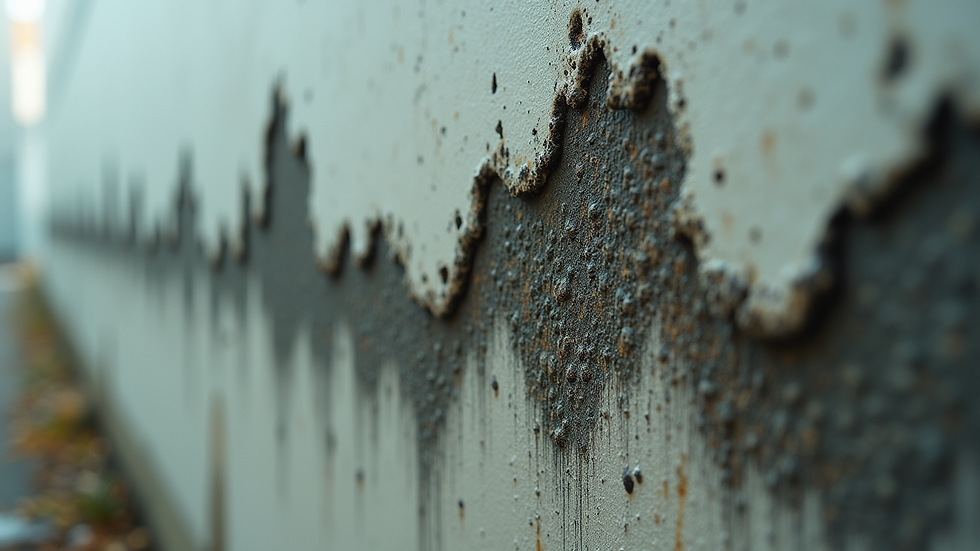
If you smell a musty odor, see discoloration, or the water event involved a long leak, ask for a mold-focused assessment. Mold remediation is not just "spray and wipe." It involves containment, filtration, and cleaning methods designed not to spread spores into the rest of the home.
Clean water vs. sewage: why classification changes everything
Not all water damage is equal. A clean supply-line break is different from a backed-up drain, and both are different from storm runoff.
When water is contaminated, it is no longer just a drying problem. Materials like carpet pad, porous drywall, and insulation may need removal, and the area needs cleaning and sanitizing before drying is considered complete. Sewage events also raise real health concerns for kids, pets, and anyone with asthma or allergies.
If you are unsure, assume it is not clean until proven otherwise. A professional can classify the loss, explain what is salvageable, and protect your home from cross-contamination.
How insurance usually works (and how a good contractor helps)
Most homeowners want one thing in the first phone call: "Will insurance cover this?" The honest answer is: it depends. Sudden and accidental water damage (like a burst pipe) is often covered. Long-term leaks and maintenance issues are commonly denied.
What you can control is documentation. A restoration company that works with all insurance companies should provide moisture readings, drying logs, photos, and a clear scope of work. That documentation supports your claim and reduces the back-and-forth that slows approvals.
You should also expect a straightforward conversation about your deductible and what is considered "mitigation" (urgent steps to prevent further damage) versus elective upgrades. A trustworthy team keeps mitigation focused and explains where repairs start.
Why "fast" matters, but only if it is done right
Speed is critical, but speed without process creates problems: trapped moisture, lingering odor, warped materials, and mold growth that appears weeks later.
A real emergency provider pairs fast arrival with certified methods. Look for IICRC-certified technicians, a licensed and insured company, and a clear plan for monitoring and completion criteria. Ask how they decide when drying is done. If the answer is "when it feels dry," keep calling.
If you are on the Wasatch Front and want an emergency team that responds in 1-2 hours, handles the full mitigation process, and coordinates directly with insurance, Home Pride Restoration and Cleaning LLC is built for exactly that kind of high-stress moment.
What results you should expect after the emergency is contained
Once the water is extracted and drying is underway, you should feel the situation settle. You should have clear communication about equipment placement, noise, and how long drying should take. You should also know which areas are safe to use and which rooms should stay closed for containment.
After drying, a professional team should confirm moisture levels are back to normal for your structure, not just the surface. Then repairs can be addressed - sometimes small, like drywall water damage repair or a ceiling leak repair, and sometimes more involved if flooring or cabinets were affected.
The best outcome is not just "fixed." It is your home feeling normal again without lingering smells, mystery stains, or that nagging worry that something is still wet behind the wall.
If you are dealing with water right now, focus on one job: stop the spread, then get a qualified 24/7 crew onsite to take control of the moisture you can see and the moisture you cannot.


Comments