Protect Your Home from Water Damage: How to Prevent Water Damage Effectively

Water damage can strike when you least expect it. It can cause costly repairs, disrupt your daily life, and even threaten your health. But you don’t have to wait for disaster to happen. You can take steps today to protect your home from water damage and keep your property safe and dry. In this post, I’ll share practical tips and expert advice to help you prevent water damage before it starts.
Why You Need to Prevent Water Damage Now
Water damage is more common than you might think. It can come from many sources: heavy rain, burst pipes, leaking appliances, clogged gutters, or even poor drainage around your home. When water seeps into your walls, floors, or foundation, it can cause mold growth, wood rot, structural damage, and electrical hazards.
Preventing water damage is not just about avoiding expensive repairs. It’s about protecting your investment, your health, and your peace of mind. When you act early, you reduce the risk of long-term problems and keep your home comfortable and safe.
How to Prevent Water Damage: Essential Steps You Can Take Today
Preventing water damage starts with awareness and simple maintenance. Here are some key actions you can take right now:
Inspect your roof regularly. Look for missing or damaged shingles, cracked flashing, or clogged gutters. These can let water in during storms.
Clean your gutters and downspouts. Remove leaves, dirt, and debris to ensure water flows away from your home’s foundation.
Check your plumbing. Look for leaks under sinks, around toilets, and near water heaters. Fix any drips immediately.
Install a sump pump. If your basement is prone to flooding, a sump pump can help remove excess water quickly.
Seal cracks in your foundation and walls. Use waterproof sealants to block water entry points.
Maintain your appliances. Regularly check washing machines, dishwashers, and refrigerators for leaks or worn hoses.
Ensure proper grading around your home. The ground should slope away from your foundation to prevent water pooling.
Taking these steps can dramatically reduce your risk of water damage. It’s easier and cheaper to prevent problems than to fix them later.

Detecting Water Damage Early: What to Look For
Even with precautions, water damage can sometimes sneak in. Knowing the signs helps you catch problems early before they worsen:
Musty odors. A damp, moldy smell often signals hidden water damage.
Discoloration or stains. Yellow, brown, or dark spots on walls or ceilings indicate water intrusion.
Peeling paint or wallpaper. Moisture causes paint and wallpaper to bubble or peel.
Warped or buckled floors. Water can cause wood or laminate flooring to swell and deform.
Visible mold growth. Mold thrives in damp environments and can appear as black, green, or white patches.
Increased water bills. A sudden spike may mean a hidden leak.
Dripping sounds. Listen for water running when no taps are on.
If you notice any of these signs, act quickly. The sooner you address water damage, the less costly and disruptive the repairs will be.
Tools and Technology to Help Prevent Water Damage
Modern technology offers great tools to help you protect your home from water damage. Here are some you might consider:
Water leak detectors. These small devices alert you when they sense moisture in vulnerable areas like under sinks or near appliances.
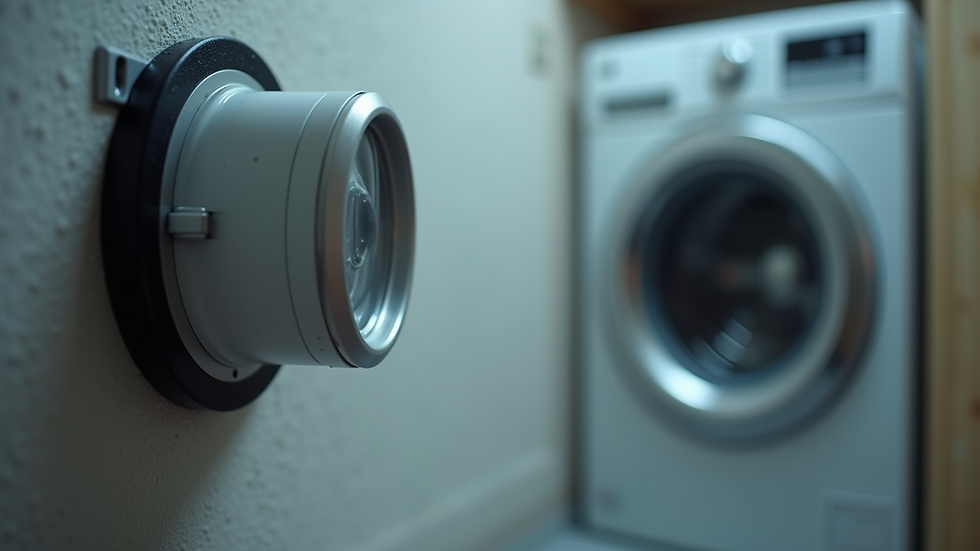
Smart water shutoff valves. These automatically turn off your water supply if a leak is detected, preventing flooding.
Moisture meters. Handy for checking dampness in walls and floors during inspections.
Waterproofing membranes. Applied to basements and foundations, these create a barrier against water intrusion.
Rain sensors for gutters. These help manage water flow and prevent overflow during heavy rain.
Using these tools can give you extra peace of mind and help you catch problems before they escalate.
What to Do If You Experience Water Damage
Despite your best efforts, water damage can still happen. When it does, quick action is critical:
Stop the water source. Turn off the main water supply or fix the leak if possible.
Remove standing water. Use mops, towels, or a wet/dry vacuum to clear water.
Dry the area thoroughly. Use fans, dehumidifiers, and open windows to speed drying.
Remove damaged materials. Wet drywall, insulation, and carpeting may need to be replaced.
Disinfect affected areas. Prevent mold growth by cleaning with appropriate solutions.
Document the damage. Take photos and notes for insurance claims.
Call professionals if needed. For extensive damage, restoration experts can help you recover quickly and safely.
Remember, acting fast limits damage and reduces repair costs.
Keep Your Home Safe and Dry with Ongoing Maintenance
Preventing water damage is an ongoing process. Make it part of your regular home maintenance routine:
Schedule seasonal roof and gutter inspections.
Test sump pumps and water detectors regularly.
Monitor plumbing and appliances for leaks.
Maintain proper landscaping and drainage.
Stay informed about weather risks in your area.
By staying proactive, you protect your home and your investment for years to come.
If you want more tips and expert advice on protecting your home, check out the home pride blog for helpful articles and resources.
Taking Control of Water Damage Risks Today
Water damage can be overwhelming, but you don’t have to face it unprepared. By following these practical steps, you take control of your home’s safety and comfort. Prevention is your best defense. Regular inspections, timely repairs, and smart technology all work together to keep your home dry and secure.
Start today. Protect your home from water damage and enjoy the peace of mind that comes with knowing you’re ready for whatever comes your way.


Comments