Top Causes of Water Damage in Homes

Water damage can strike when you least expect it. It disrupts your daily life, causes costly repairs, and sometimes leads to long-term issues like mold growth. Understanding the top causes of water damage in homes helps you stay prepared and protect your property. I’ve seen firsthand how quick action and knowledge can save a home from severe damage. Let’s dive into the most common reasons water damage happens and what you can do about it.
Common Causes of Water Damage in Homes
Water damage often starts small but can escalate quickly. Knowing the typical causes helps you spot problems early and take action. Here are some of the most frequent culprits:
1. Leaking or Burst Pipes
Pipes are the veins of your home’s plumbing system. When they leak or burst, water can flood walls, floors, and ceilings. Pipes may burst due to freezing temperatures, corrosion, or high water pressure. Even a small leak can cause significant damage over time.
What to do:
Regularly inspect exposed pipes for signs of corrosion or leaks.
Insulate pipes in cold areas to prevent freezing.
Know where your main water shut-off valve is and how to use it in an emergency.
2. Faulty Appliances
Appliances like washing machines, dishwashers, and water heaters can malfunction and cause water leaks. Hoses may crack or connections loosen, leading to unexpected flooding.
What to do:
Check appliance hoses and connections regularly.
Replace old or brittle hoses every 3-5 years.
Turn off appliances when not in use for extended periods.
3. Roof Leaks
A damaged or aging roof can let rainwater seep into your home. Missing shingles, cracked flashing, or clogged gutters often cause roof leaks. Water entering through the roof can damage ceilings, insulation, and even electrical systems.
What to do:
Inspect your roof at least twice a year and after storms.
Clean gutters and downspouts to ensure proper drainage.
Repair damaged shingles or flashing promptly.

4. Clogged or Broken Gutters
Gutters direct rainwater away from your home’s foundation. When they clog with leaves or debris, water can overflow and pool near your foundation. This pooling can lead to basement flooding or foundation cracks.
What to do:
Clean gutters regularly, especially in fall.
Install gutter guards to reduce debris buildup.
Ensure downspouts direct water at least 5 feet away from your home.
5. Poor Drainage Around the Home
Water needs a clear path away from your home. If the ground slopes toward your foundation or landscaping blocks water flow, water can seep into basements or crawl spaces.
What to do:
Grade soil to slope away from your home’s foundation.
Avoid planting shrubs or trees too close to the foundation.
Consider installing a French drain or sump pump if water pooling is frequent.
How to Spot Water Damage Early
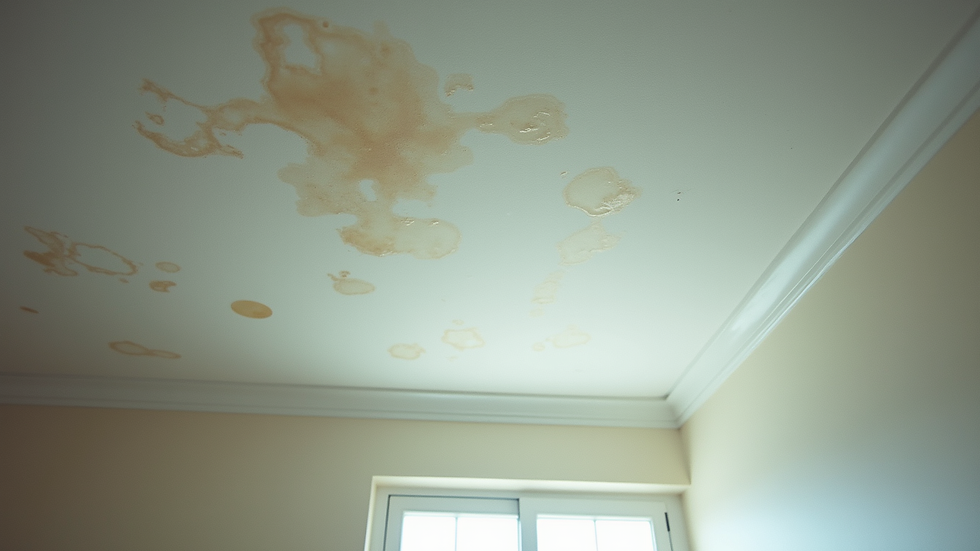
Catching water damage early can save you thousands in repairs. Here are some signs to watch for:
Discolored or peeling paint on walls or ceilings
Musty odors indicating mold or mildew
Warped or buckled flooring
Water stains or damp spots on walls or floors
Dripping sounds when no water is running
If you notice any of these signs, act quickly. Shut off your water supply if necessary and call a professional to assess the damage.
Preventing Water Damage: Practical Tips
Prevention is your best defense against water damage. Here are some simple steps you can take:
Regular maintenance: Inspect your plumbing, roof, and gutters routinely.
Install water sensors: Place sensors near appliances and in basements to get early alerts.
Maintain your sump pump: Test it regularly and have a battery backup.
Seal cracks: Check your foundation and walls for cracks and seal them promptly.
Know your insurance: Understand what your homeowner’s insurance covers regarding water damage.
Taking these steps helps you avoid emergencies and keeps your home safe and dry.
When Water Damage Happens: Immediate Actions
If you face water damage, your response time matters. Here’s what to do right away:
Turn off the water source if you can locate the leak.
Cut power to affected areas to avoid electrical hazards.
Remove valuables and furniture from the water-affected area.
Start drying the area with fans and dehumidifiers if safe.
Call a professional restoration service to assess and repair damage.
Quick action limits damage and reduces the risk of mold growth. For expert help, you can always rely on trusted services like those featured in the home pride blog.
Understanding the Impact of Water Damage
Water damage affects more than just your walls and floors. It can:
Compromise your home’s structural integrity
Damage electrical wiring and appliances
Lead to mold and mildew growth, which affects air quality
Decrease your property’s value
Knowing these risks motivates you to stay vigilant and proactive.
Final Thoughts on Protecting Your Home
Water damage is a serious threat, but it’s manageable. By understanding the top causes of water damage and taking preventive steps, you protect your home and your peace of mind. Regular inspections, maintenance, and quick responses make all the difference.
Remember, water damage can happen to anyone, but it doesn’t have to ruin your home. Stay informed, stay prepared, and keep your home safe and dry.
If you want to learn more about protecting your home and handling emergencies, check out the home pride blog for expert advice and tips.


Comments