Water Mitigation Services: What Happens Next
- Curt Eddy
- Feb 13
- 6 min read


The moment water shows up where it does not belong - a ceiling stain that suddenly spreads, carpet that squishes underfoot, a basement that smells like a river - the clock starts. Not because we want to scare you, but because water is a quiet multiplier. It moves into framing, drywall, insulation, and subfloors, and it keeps working long after the visible puddle is gone.
That is exactly what water mitigation services are built for: fast containment, fast drying, and clear documentation so your home can get back to normal with the least amount of disruption.
What “water mitigation services” actually mean
Water mitigation is the emergency response side of water damage. It is the work that stops the loss from getting bigger. Restoration and repairs may come after, but mitigation is about immediate control: extracting water, stabilizing materials, and preventing secondary damage like mold growth, warped floors, and crumbling drywall.
Homeowners sometimes assume mitigation is just “bring fans.” Real mitigation is a system. It includes moisture detection, professional water extraction, controlled drying, and ongoing monitoring until the structure is truly dry - not just “looks dry.”
If you are dealing with a burst pipe, washing machine leak, water heater failure, storm intrusion, or an overflowing toilet, mitigation is the step that protects your home’s structure and your indoor air.
Why speed matters more than most people realize
A wet carpet is uncomfortable. A wet subfloor or wall cavity is expensive.
Water spreads sideways under flooring and baseboards. It wicks upward into drywall like a paper towel. It saturates insulation that cannot dry properly in place. And once humidity climbs, the whole house becomes a drying chamber in reverse - the structure starts absorbing moisture.
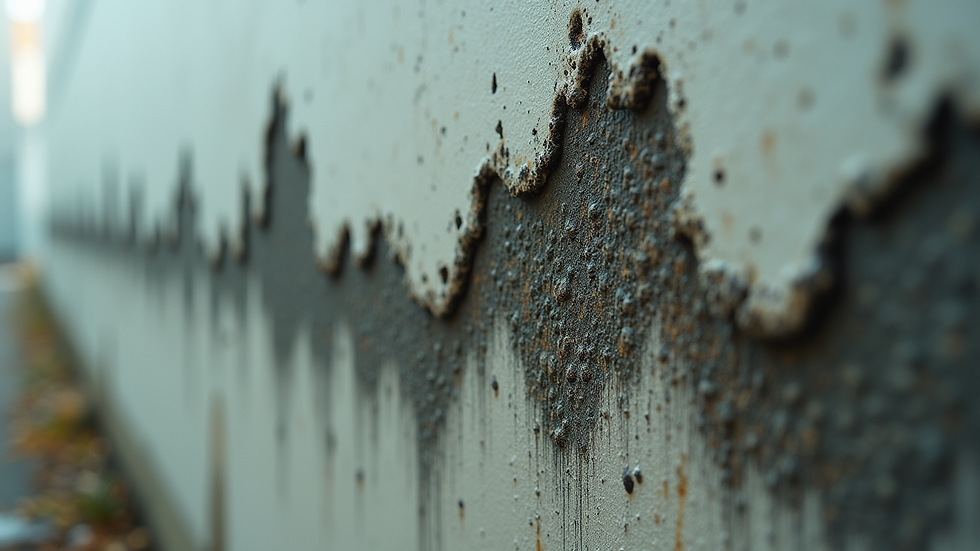
Mold does not need a flood to become a problem. It needs moisture and time. How fast it appears depends on temperature, materials, and how wet the area is, so there is no honest “one-size” timeline. But waiting a couple days to see if things “air out” is one of the most common ways a manageable leak turns into a full remediation.
Speed is also about saving what can be saved. The faster extraction and controlled drying begin, the better the odds of keeping hardwood floors, cabinets, drywall, and trim from reaching the point where removal is the only safe option.
What to expect when a mitigation crew arrives
A professional mitigation visit should feel organized. Not frantic. Not vague. You should see methodical steps and clear explanations.
1) Safety check and source control
Before equipment comes in, the priority is making the situation safe and stopping the water. That can mean shutting off a valve, identifying a supply line leak, confirming a drain backup, or making sure electricity is not at risk in wet areas.
If sewage is involved, the approach changes immediately. Category 3 water (grossly contaminated) requires specific containment, removal, and disinfection procedures. If a company treats a sewage backup like “regular water,” that is a red flag.
2) Inspection and moisture mapping
Good water mitigation services rely on measurement, not guesses. Technicians use moisture meters and thermal imaging to find where water has traveled - including behind baseboards, under floors, and inside wall cavities.
This is where two homes with the same-looking leak can require different plans. A small supply line leak on a tile floor may be relatively contained. The same leak over a basement ceiling can soak insulation and spread across multiple joist bays.
3) Water extraction and material stabilization
Extraction is not just for standing water. Professional extractors pull water from carpet and pad, remove bulk water from hard surfaces, and reduce the overall moisture load so drying can be faster and more controlled.
Some materials can be dried in place. Some cannot. Wet insulation, delaminated drywall, and swollen particleboard are common examples where removal is often the safest choice, depending on contamination level and how long materials were wet. A trustworthy provider will explain the trade-offs instead of pushing unnecessary demolition.
4) Controlled drying and dehumidification
This is the heart of mitigation. Drying a home is not the same as drying laundry. The goal is to move moisture out of materials and out of the air at the same time.
Expect a combination of:
Air movers placed to create a consistent airflow pattern
Dehumidifiers sized for the affected area and the moisture load
Containment or targeted drying zones when needed
More equipment is not always better. Incorrect placement can short-cycle airflow or blow moisture into unaffected rooms. A seasoned crew sets up drying based on readings and adjusts as conditions change.
5) Monitoring, documentation, and “clear to repair” decisions
Mitigation is a process, not a single visit. A professional team should return to monitor moisture levels, reposition equipment when needed, and document drying progress.
That documentation matters for you and for your insurance claim. It shows what was wet, what was done, how long equipment ran, and when materials returned to an acceptable dry standard. Without it, you can end up stuck between “it seems fine now” and “we cannot approve repairs.”
Different water situations call for different mitigation
Not every water event should be treated the same, and a good mitigation plan reflects that.
Clean water from a broken supply line is often simpler if caught quickly. Gray water from a dishwasher or washing machine can carry contaminants and may require more aggressive removal of porous materials. Sewage backups and storm floodwater require strict safety protocols and deeper cleaning.
It also depends on what was affected. Water in carpet can sometimes be extracted and dried if it is clean and addressed immediately. Water under floating floors is trickier because moisture can get trapped, leading to swelling or microbial growth even if the surface looks fine.
A straight answer you will hear from real professionals is: it depends. But it should never feel like a dodge. You should be told what factors they are measuring and how those factors change the plan.
Insurance: how mitigation and claims work together
Many homeowners only call a mitigation company after calling their insurance carrier. Others call first because the house is actively taking on water. Either way can be fine.
What matters is that mitigation is documented and clearly tied to preventing further damage. Insurance policies generally expect homeowners to take reasonable steps to protect the property. Fast extraction, drying, and containment are the definition of “reasonable steps.”
If you plan to file a claim, avoid throwing away damaged materials before photos and notes are taken. Keep a simple log of what happened and when you noticed it. And ask your mitigation provider how they handle insurance communication. A company that regularly works with all insurance companies should be comfortable providing moisture logs, drying plans, and itemized documentation.
How to choose the right water mitigation company in Utah
When you are stressed and trying to protect your home, you do not need a perfect decision. You need a safe one. Look for signals that the company can actually control the damage and guide the process.
Start with response time and availability. Water does not wait for business hours, and neither should your help.
Then look for training and accountability. IICRC-certified technicians, licensed and insured operations, and clear satisfaction guarantees reduce your risk. Ask what drying equipment they use, how they verify materials are dry, and how often they monitor.
Finally, pay attention to how they communicate. A professional mitigation crew should explain what they found, what they are doing, and what the next decision points are. If you feel rushed into approvals you do not understand, slow things down and ask for clarity.
If you are on the Wasatch Front and need help fast, Home Pride Restoration and Cleaning LLC provides 24/7 emergency response with a 1-2 hour arrival window, IICRC-certified technicians, and direct coordination with insurance companies so you can get control of the situation without chasing paperwork.
What you can do in the first 15 minutes (without making it worse)
If it is safe to do so, shut off the water at the source. For a supply line break, that may be the fixture valve or the home’s main shutoff. If water is near outlets, cords, or a breaker panel, do not step into it - call for help.
If the water is clean and you can move valuables to a dry area, do it. Pull lightweight items off the floor and away from wet baseboards. Avoid running household fans into wall cavities or blasting heat. That can spread moisture into other areas and make drying harder.
And do not assume that because the surface looks better, the structure is fine. The most expensive water damage is often the water you cannot see.
The real goal: restore normal life, not just dry materials
Water mitigation services are not just a technical process. They are a stress-reduction process. The best teams bring order to a chaotic moment: they show up quickly, measure what is happening, stop the spread, and keep you informed so decisions do not feel like guesses.
If your home has water where it should not be, give yourself permission to act fast. The right help turns a long, uncertain ordeal into a controlled project - and that is how you protect your home, your health, and your peace of mind.


Comments